

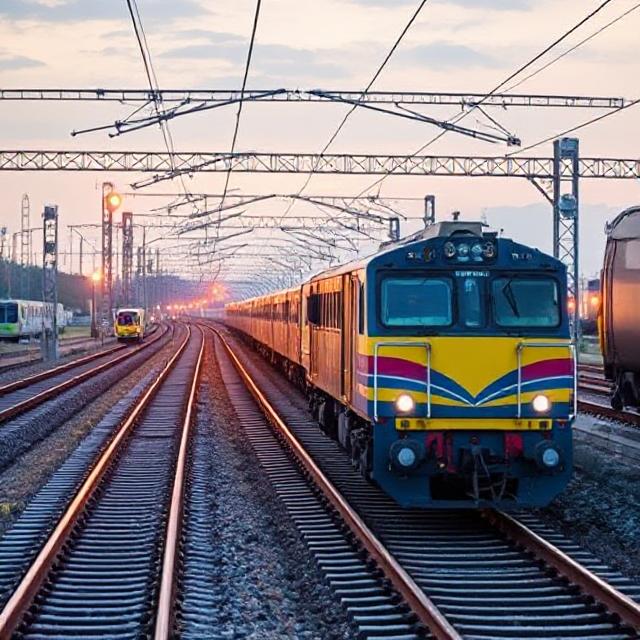
The Nagpur Division of Central Railway has completed the electrification of the Wardha–Kalamb–Wardha passenger train route, replacing diesel traction with electric operations. The development is being hailed as a significant step towards sustainability while also carrying wider benefits for industries dependent on rail logistics, particularly steel.
Railway electrification not only contributes to reducing carbon emissions but also enhances efficiency in locomotive operations. For the steel sector, which relies heavily on the movement of raw materials such as iron ore, coal, and limestone, as well as the transport of finished products, electrified routes promise faster, more reliable, and cost-efficient logistics.
Industry experts note that electrification can reduce dependence on imported fuel, cut operating costs, and lower the wear and tear associated with traditional diesel locomotives. This in turn translates into potential savings for industries linked to rail freight, including steel, by reducing costs associated with delays, maintenance, and fuel surcharges.
The shift also aligns with India’s broader infrastructure and green growth goals. With nearly the entire railway network on track to be electrified within the next year, the transformation is expected to significantly improve the efficiency of freight movement across the country. For the steel sector, which contributes a large share of freight revenue for Indian Railways, these upgrades come as a strategic advantage.
Analysts believe that as more railway routes transition to electric traction, the steel industry will benefit from improved supply chain reliability and reduced logistics bottlenecks. This will not only support domestic producers but also strengthen India’s competitiveness in global steel markets.
The electrification of the Wardha–Kalamb–Wardha line is thus more than just a sustainability milestone—it is a boost to industries that form the backbone of India’s economic growth, with steel standing among the foremost beneficiaries.