


India’s vision of building net zero cities is closely tied to its ability to decarbonise urban infrastructure. At the heart of this transformation lies steel, a material that forms the backbone of construction, transportation and energy systems. Yet steel is also one of the most carbon intensive industries. How India manages this paradox will determine the pace of its climate journey.
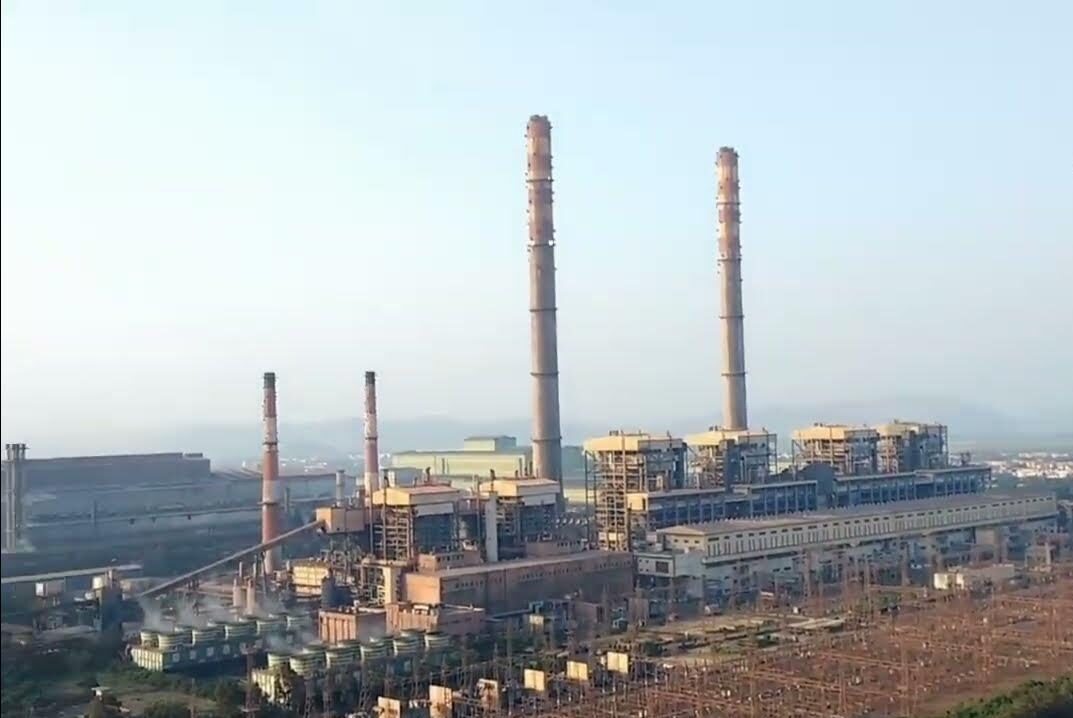
One project stands out as a beacon of possibility: JSW Steel’s Vijayanagar plant in Karnataka, where industrial innovation is being reimagined to align with national sustainability goals.
A Story from Vijayanagar
On the sprawling grounds of Vijayanagar, engineers are working on what could become one of the most defining shifts in India’s industrial story. Standing beside the towers of blast furnaces, a new facility is quietly taking shape: a green hydrogen plant that promises to cut emissions from steelmaking by nearly 90 per cent in specific processes.
For many of the young engineers on site, the project is more than technical work. It represents hope that India can build its future skylines without compromising the climate. It also demonstrates that legacy industries can reinvent themselves with courage and creativity.
Green Steel Revolution at Vijayanagar
Steel production in India currently emits about 2.65 tonnes of carbon dioxide per tonne of crude steel, higher than the global average of 1.9 tonne. This disparity highlights the urgency of change.
JSW Steel is addressing this by integrating green hydrogen into its Direct Reduced Iron process. In partnership with JSW Energy, the Vijayanagar facility will host a 25 megawatt green hydrogen plant, expected to produce 3,800 tonnes of hydrogen annually by the end of 2025 (Hydrogen Industry Leaders). The move could redefine Indian steelmaking and set a benchmark for future plants.
Policy and Industry Push
Recognising the need for support, the Ministry of Steel launched a ₹5,000 crore decarbonisation scheme to encourage green initiatives. This ties into the National Steel Policy’s long-term targets of achieving net zero by 2070 and increasing crude steel capacity to 300 million tonnes by 2030 (OECD).
Industry leaders note that investment must be matched with market demand. As an industry expert remarked, “Green steel can only thrive if there is assured demand. Policy incentives are important, but buyers must also recognise the value of low emission steel.”
Vijayanagar and the Circular Economy
Vijayanagar is also aligned with India’s broader push towards a circular economy. Steel is infinitely recyclable, but currently only 10 to 25 per cent of India’s production is scrap based. Expanding this share can sharply cut embodied carbon in urban infrastructure.
Efforts like Lloyds Metals’ Surjagarh mine, which has reduced 32,000 tonnes of carbon dioxide annually under its Mission Green initiative, illustrate how sustainable mining and steelmaking can reinforce each other. Vijayanagar is well placed to integrate such practices at scale by combining renewable energy inputs with advanced recycling.
Design, Structure and Sustainability
Net zero cities are not only about reducing emissions but also about rethinking how buildings and infrastructure are designed. Steel enables flexible structures, lighter construction and durability over time, all of which reduce the overall carbon footprint of urban spaces. At Vijayanagar, the move to cleaner steel production underlines how structural materials can evolve to meet the demands of both design excellence and environmental responsibility.
Public Awareness and the Road Ahead
Public perception is shifting. Developers and citizens alike are asking for sustainable buildings, green transport and climate friendly policies. As Vijayanagar strengthens its hydrogen and recycling initiatives, it will not only deliver cleaner steel but also help set the tone for sustainable demand.
Closing Thoughts: The Role of Steel in India’s Future Megaprojects
The story of Vijayanagar is not just about one plant. It is about how innovation and responsibility can converge to shape India’s future cities. Cleaner steel, thoughtful design and a circular economy will together guide the path towards net zero.
As India accelerates its ambitious infrastructure programmes—from smart cities to metro rail expansions, expressways and green industrial hubs—steel from projects like Vijayanagar will form the backbone of these developments. Each new highway, bridge or high rise constructed using low carbon steel will reflect a commitment to sustainability and resilience.
For readers who want to follow India’s journey towards greener cities, the evolution of steel production at Vijayanagar and other such initiatives will remain a story worth watching. Stay connected for insights on how sustainable materials are reshaping India’s urban landscape.