

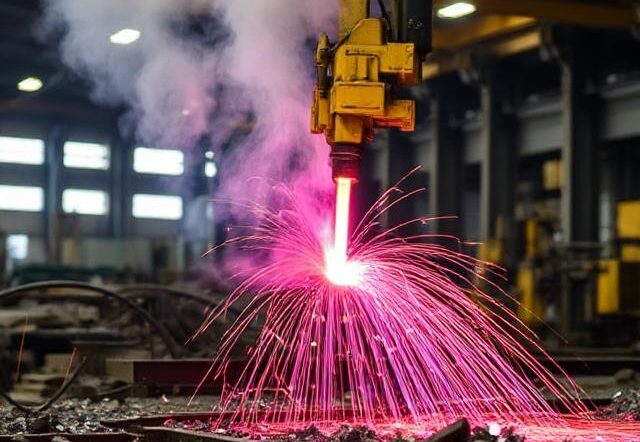
India’s core sector growth eased to 3 per cent in September, marking a three-month low, as sluggish performance in sectors such as electricity, coal, and crude oil offset gains elsewhere. However, the steel industry emerged as a bright spot, recording a robust 14.1 percent year-on-year increase in production, reflecting strong demand from infrastructure and construction activities.
The rise in steel output highlights the sector’s resilience and its critical role in driving industrial momentum, even as other segments showed moderation. Government-led infrastructure expansion, including ongoing projects in roads, railways, and urban development, has been a key factor supporting steel consumption. Increased public investment and the steady rollout of capital expenditure under the National Infrastructure Pipeline have also contributed to maintaining momentum in steel demand.
Industry analysts suggest that the sustained demand from construction and infrastructure could help stabilise the broader industrial output in the coming months, provided raw material supply and energy costs remain favourable. However, they also caution that persistent global uncertainties and import pressures from cheaper overseas steel may influence domestic pricing and margins.
While the slowdown in overall core sector growth points to uneven industrial recovery, the performance of the steel segment underscores its importance as an economic growth indicator. The strong output numbers suggest that India’s infrastructure pipeline continues to absorb significant quantities of steel, reinforcing its position as a key driver of industrial demand and employment generation.
The sector’s continued strength offers optimism for both primary and secondary steel producers, particularly those catering to large-scale construction and public works. With infrastructure remaining a central theme of government policy, steel is expected to maintain its growth trajectory in the near term, even amid broader economic headwinds.