


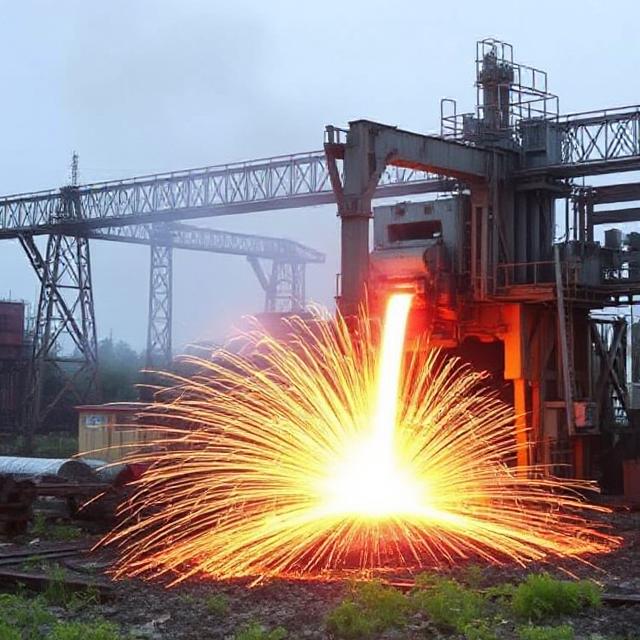
JSW Steel has reported a significant surge in production, with crude steel output rising by 19 per cent in July 2025 to reach 26.23 lakh tonnes. This growth reflects the company’s strong operational momentum and its ability to meet increasing demand across key domestic and international markets.
The increase in production is attributed to higher capacity utilisation across JSW’s plants and steady demand from sectors such as infrastructure, construction, automobiles, and engineering. Industry observers note that the company’s strategic investments in modernising facilities and enhancing efficiency have contributed to its improved performance. The surge also comes amid a broader positive sentiment in the Indian steel sector, supported by ongoing government-led infrastructure development and a resilient manufacturing base.
JSW Steel has been focusing on operational excellence and expanding its product portfolio to cater to diverse customer requirements. The company’s sustained investments in advanced technology, digital integration, and process optimisation have helped it reduce downtime and improve productivity. These measures have positioned JSW to capitalise on the growing steel consumption trend in India, which is being driven by large-scale projects such as highways, metro networks, industrial corridors, and renewable energy infrastructure.
However, the company continues to navigate challenges related to raw material availability, particularly in securing sufficient supplies of low-ash metallurgical coke. This input is critical for steel production, and current import quota restrictions have placed additional pressure on procurement. Despite these constraints, JSW’s management remains confident in maintaining growth momentum through strategic sourcing and operational adjustments.
Analysts believe the latest production figures reaffirm JSW Steel’s competitive positioning in the market. As domestic and global steel demand remains robust, the company’s performance in the coming months will be closely watched, especially in the context of raw material supply dynamics and evolving trade policies.