

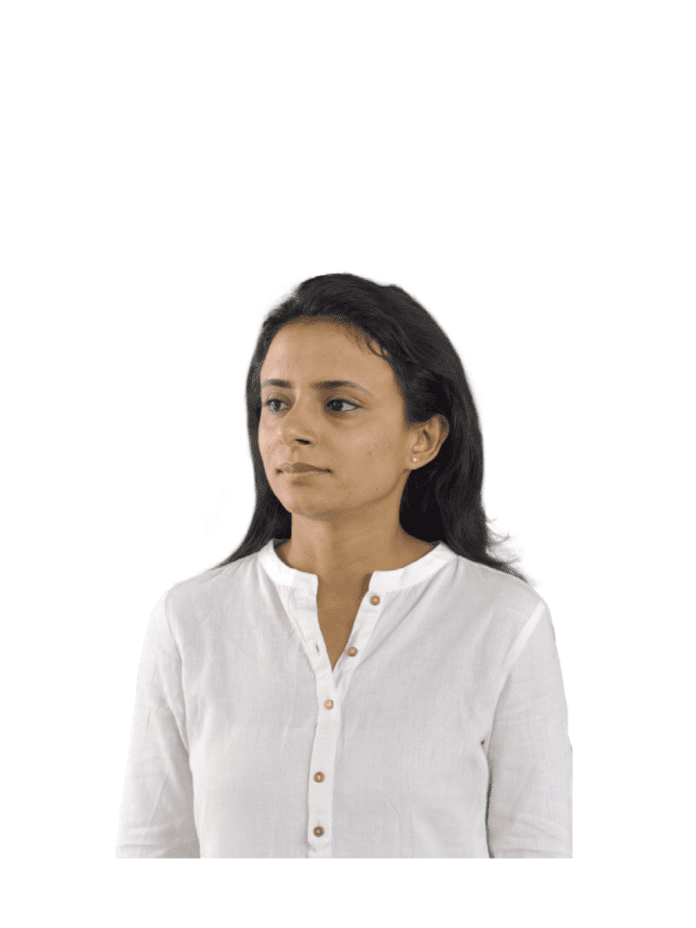
Introduction: In Thrissur, Kerala, RENY LIJO, Principal Architect at LIJO.RENY.architects leads a practice known for challenging conventions and redefining materiality in contemporary Indian architecture. Together with her partner, Lijo Jos Reny, she has shaped work that is bold yet sensitive, experimental yet grounded, and deeply connected to Kerala’s cultural and climatic context. With early clarity about her calling, Reny has built a practice rooted in intuition, regional narratives, and material honesty. In this conversation, she reflects on her journey, her evolving design ethos, the nuances of working with steel, and the human sensibilities that continue to shape her architecture.
Your journey into architecture began early. Was there a defining moment that made the path clear to you?
My father was a civil engineer, and as a child, I would watch him work late into the night on detailed drawings he brought home. I did not fully understand what I was looking at, but I was fascinated. He encouraged my curiosity, and every time he appreciated my observation, it strengthened my belief that this world of lines, textures, and ideas belonged to me too. I briefly considered civil engineering, but it felt too rigid for my creative instincts. Architecture was where imagination and structure met, it felt like the space I was meant to inhabit.
“We weren’t interested in mimicking tradition; we wanted to question the system.”
How has your studio’s design philosophy evolved over the years?
In the early years, our intention was very clear, we wanted to question the norms. Kerala was saturated with what we call “pseudo-traditional” architecture, buildings that looked traditional but had none of the craft, climate response, or material intelligence of true vernacular design. Recreating the past felt superficial and impractical. What mattered to us was intention, relevance, and honesty. So, we explored alternatives. We experimented with circulation, spatial flow, materials, and expressions that challenged the expected.
Over time, our philosophy has become more fluid. We don’t believe in rigid doctrines. Each project adds a new layer of understanding. We are two different individuals with distinct sensibilities, and that duality enriches our practice. Sometimes we think alike, sometimes not at all, but the conversation between those differences shapes who we are.
What is it like co-leading a studio with your partner?
It has been deeply rewarding. Wherever one of us falls short, the other steps in. Our strengths and weaknesses balance each other beautifully. We don’t argue over whose idea wins, rather we discuss what works best for the project, what feels right for the context. Our studio is intentionally small and hands-on. We describe it as a boutique practice that’s intimate, thoughtful, deeply collaborative. Every project receives our personal involvement from concept to completion.
What biases or design traps do you consciously avoid?
We avoid repeating ideas for the sake of familiarity. We prefer to reinterpret rather than replicate. Our work is not guided by a fixed style, it is shaped by context, need, and a desire to create something meaningful and timeless.
“Steel allows us to express lightness, impermanence, and clarity in ways few materials can.”
How do you approach materiality, and what role has steel played in your work?
Materiality is central to our practice. We gravitate toward natural materials because they bring honesty and authenticity to a project. Local stone from Kerala is a favourite, it grounds the design in its landscape.
Steel, on the other hand, has been a material of exploration and joy for us. It is humble yet powerful, lightweight yet strong. It lends immense flexibility, which we utilised fully in a pavilion we designed as a tribute to an artist. The structure sat on a concrete base, but almost everything above ground was steel — light, demountable, reusable. Its impermanence was its beauty. For us, steel represents clarity, sustainability, and poetic expression all at once.
Do you consciously bring emotional intelligence into your public or community spaces?
Yes, but not as a formal process. Our instincts and sensibilities naturally guide us. Even when a brief is not overtly human-centric, we bring our own emotional lens to it. Our personal intuitions shape how spaces feel, how they hold people, and how they respond to context.
How do you balance vernacular sensibilities with modern materials like steel and glass?
Vernacular sensibility must evolve. The way people lived a hundred years ago cannot be duplicated today. Trying to mimic old forms often becomes impractical and expensive. We focus on retaining the essence that include climate logic, spatial intelligence, and cultural nuances while working with materials and technologies relevant to the present moment. The goal is not to replicate the past but to respond meaningfully to the present.
What does sustainability mean to you, and how does steel fit into that narrative?
Sustainability is not a checklist. It is contextual and deeply dependent on site, climate, availability, and function. A material that is sustainable in one project may not be in another. I do not subscribe to sustainability based purely on ratings. For us, true sustainability is about thoughtful detailing, responsible choices, and using what is readily available. Steel fits beautifully into that thinking as it is reusable, efficient, time-saving, and adaptable. For certain projects, it becomes the most responsible material choice.
“Co-leadership works for us because we value the idea, not the ego behind it.”
Can you share a moment when design changed drastically between concept and completion?
A recent residential project in Thrissur taught us this lesson vividly. The client wanted a rustic home, and our design reflected that. But during construction, the concrete casting was executed poorly, making the raw concrete aesthetic impossible. We had to pause, reassess, and reimagine. The final home became vibrant and colourful which was completely different from our initial idea. We even designed the furniture, incorporating steel elements that refreshed the spatial character. It was a reminder that design is never fixed; it evolves with circumstance.
Do you intentionally mentor young women in architecture?
Not formally, but I genuinely try to uplift and encourage women in my field. Many young women carry remarkable clarity and confidence. Sometimes a conversation, a suggestion, or a bit of reassurance can make a real difference. I try to offer that whenever I can.
Was there ever a moment when you imagined a path outside architecture?
Never. Architecture was always the path. I never had a Plan B. It felt natural, intuitive, and aligned with who I was — and still am.
Why It Matters?
Reny Lijo’s journey mirrors a broader shift in Indian architecture from imitation to authenticity, from stylistic nostalgia to material honesty and context-driven innovation. Her work highlights the evolving role of steel as a sustainable, lightweight, and expressive material, while her intuitive, human-centred approach reflects the growing influence of women architects shaping India’s design landscape with clarity, confidence, and relevance.