


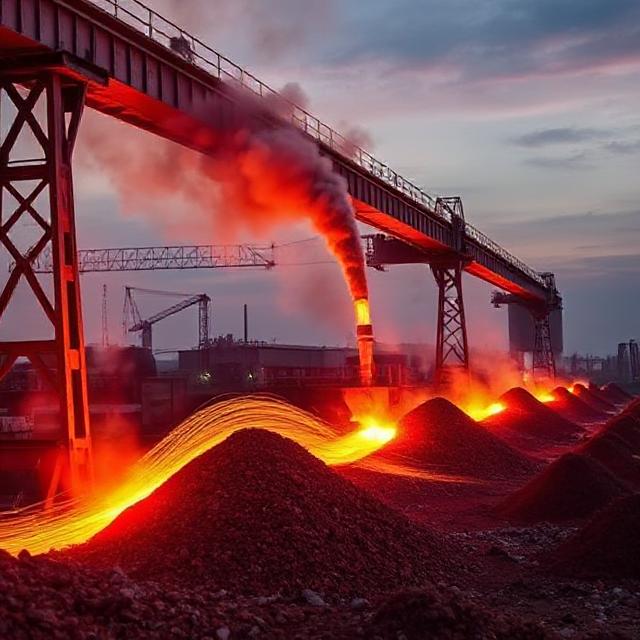
The government has unveiled a plan to double iron ore production in a bid to shield the domestic steel industry from the growing influx of cheap imports. The move comes at a time when global oversupply, particularly from China, has begun to put pressure on local producers.
Officials have urged steel manufacturers to fully utilise their allocated mining capacities, emphasising that greater self-reliance in raw materials will help bring down production costs and improve competitiveness. This strategy is expected to not only reduce the sector’s dependence on imports but also strengthen India’s position as a key player in the global steel market.
Industry experts have welcomed the initiative, noting that adequate availability of iron ore is critical for maintaining stable prices and ensuring long-term growth in steelmaking. By expanding mining operations, companies will be better positioned to align supply with the government’s ambitious infrastructure development agenda, which is projected to drive significant demand for steel in the coming years.
The policy push also aligns with broader national goals of fostering industrial self-sufficiency. In addition to curbing import reliance, higher ore production is anticipated to create employment opportunities, stimulate ancillary industries, and enhance state revenues from mining activities.
However, analysts caution that the plan will require careful execution, particularly in terms of balancing environmental considerations with expansion targets. Streamlined regulatory approvals, investment in modern mining technology, and improvements in transport infrastructure are likely to play a crucial role in achieving the desired outcomes.
The government’s message is clear: by boosting domestic ore and steel output, India aims to secure its steel industry against external shocks while paving the way for sustainable growth in one of its most vital sectors.