

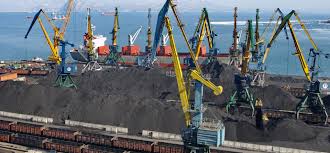
India is aiming to achieve 300 million tonnes of steel production capacity by 2030; however, its development still heavily relies on imported coking coal. The blast furnace route of expansion will comprise approximately 64 per cent of the planned expansion, strengthening the central role of coal in the production. Almost 90 per cent of the demand for metallurgical coal is met by imports, as domestic coal is limited due to high ash and sulphur content.
In a bid to decrease reliance on Australia, India has sourced more in the United States, with the proportion climbing to approximately 15% by 2025 as compared to 8% in 2021. This shift is likely to be supported by a trade agreement that is scheduled for 2026. But longer transit times of 40-45 days out of the US, versus 20-25 days out of Australia, contribute to costs and supply uncertainty.
There are also technical constraints. According to companies such as Tata Steel, not all US coal can be used in stamp-charging processes that are applied in Indian plants. As the US exports are set to drop and India needs more energy, analysts emphasise that the less sustainable solution is to cut coal reliance with scrap-based and eco-friendly technologies.