

India has sought easier access to steel scrap from the European Union under the proposed India-EU free trade agreement to cushion the impact of the EU’s Carbon Border Adjustment Mechanism (CBAM), which came into effect on January 1. Indian manufacturers argue that CBAM, coupled with the EU’s recycling policies, acts as a non-tariff barrier by limiting scrap exports needed for low-carbon steelmaking.
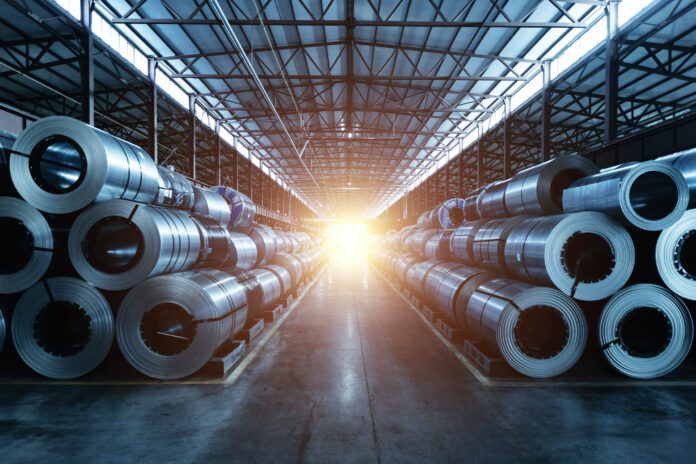
Steel scrap is a key input for electric arc furnace (EAF) technology, which emits significantly less carbon than the blast furnace route dominant in India. Under its green steel initiative, the government plans to raise scrap usage in steelmaking to 50 per cent by 2047. However, domestic scrap availability remains limited, meeting only about 20 per cent of current demand.
Think tanks warn that CBAM could translate into a 20–35 per cent tax on select Indian metal exports to the EU. With global scrap availability tightening and major exporters prioritising domestic decarbonisation, India’s push for assured EU scrap access has become central to its climate-trade strategy.