

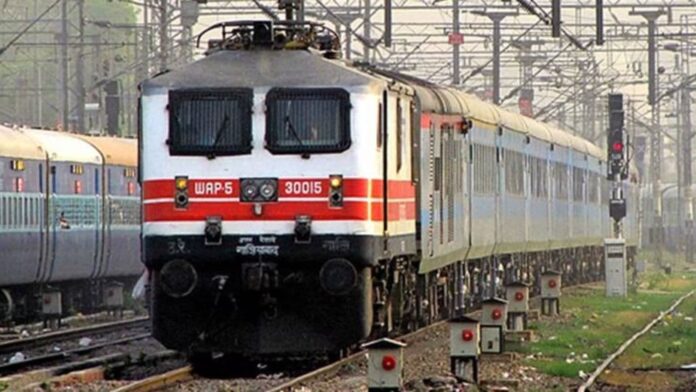
Indian Railways is set to pilot galvanised steel rails in coastal and high-humidity regions to tackle severe corrosion and reduce the rising cost of frequent track renewals. The move, aimed at improving track longevity, could extend rail life in corrosive environments from just two to three years to over 12 years, despite a slightly higher upfront cost.
The proposal is being evaluated as an alternative to nickel-copper-chromium (NCC) rails supplied by SAIL. Zinc-coated rails are considered more effective in saline and high-rainfall zones where standard rails deteriorate rapidly. While treated rails may cost 8–20 per cent more, lifecycle savings are expected to outweigh the initial premium. Railways currently spend nearly ₹20,000 crore annually on track renewals.
According to officials, galvanised rails may cost around ₹84,000 per tonne compared to ₹76,000 for conventional rails. The RDSO has already approved the specifications for zinc thermal-sprayed rails, with a phased procurement of approximately one lakh tonnes under consideration. A pilot trial has been conducted on the Vijayawada–Guntur section.
Experts have welcomed the initiative, although further trials are needed to address challenges related to inspection and welding.