

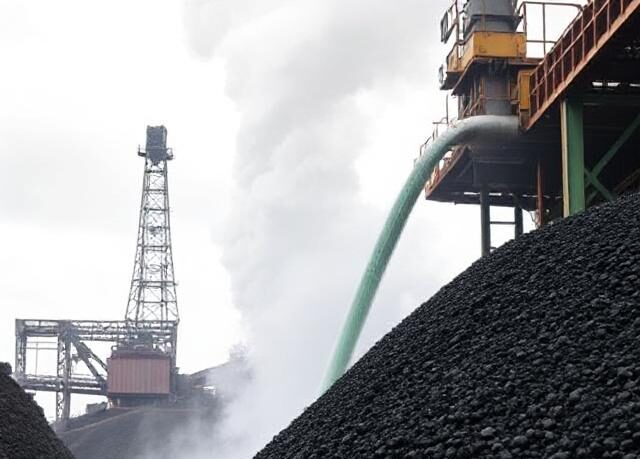
The global outlook for metallurgical coal is showing signs of firming up as enthusiasm around green steel initiatives cools and overall steel output remains subdued. Analysts suggest that demand for the raw material could stabilise or even rise in the coming period, driven largely by countries that continue to rely on the traditional blast oxygen furnace route of steelmaking.
India, with its expanding industrial and infrastructure requirements, is at the centre of this shift. The country’s steel producers are heavily dependent on coal-based methods, and the pace of transition to green alternatives has been slower than expected. With infrastructure projects, housing growth and automotive demand fuelling steady consumption of steel, India’s requirement for metallurgical coal is likely to remain robust.
Globally, the early optimism surrounding large scale green steel adoption has been tempered by economic realities. The technologies required for hydrogen-based steel production and other low carbon solutions remain expensive and complex, making it difficult for companies to switch at scale. At the same time, softer demand in international markets has limited the ability of producers to fund rapid transitions.
Industry experts note that while long term ambitions for carbon neutral steel production remain, in the immediate future coal will continue to be a crucial part of the supply chain. This has implications not only for producers but also for international trade flows, with coal exporting nations expected to benefit from sustained demand from Asia.
The shift in outlook underscores the balance that steelmakers must strike between pursuing sustainability targets and ensuring reliable production to meet near term requirements. For India and other emerging economies, metallurgical coal remains an essential fuel for growth even as the industry prepares for gradual adoption of cleaner technologies.