

The government is unlikely to move ahead with the proposed increase in export duty on low-grade iron ore and pellets, despite earlier discussions suggesting a possible levy of 20 to 30 per cent. At present, exports of these grades attract no duty, and any such move would have directly impacted India’s mining and steel supply chains.
The proposal faced strong resistance from mining companies and iron ore producing states such as Odisha and Goa. Stakeholders argued that an increase in duty would reduce competitiveness in global markets, discourage investment in mining, and potentially affect state revenues derived from mineral exports. For Goa in particular, where iron ore mining is a critical part of the economy, higher duties could have placed further strain on an already volatile industry.
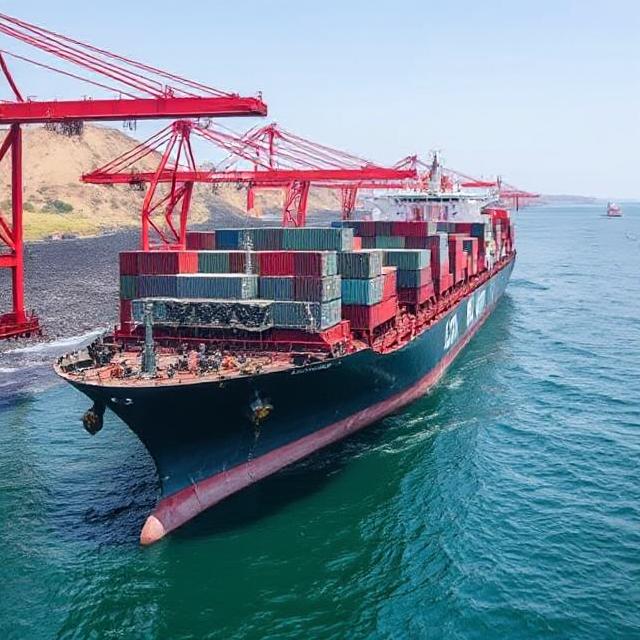
Low-grade iron ore and pellets are primarily exported to countries with significant steelmaking capacity but limited domestic ore resources. Any increase in duties would likely have shifted demand towards alternative suppliers such as Brazil and Australia. Analysts also caution that sudden changes in export policy could undermine India’s credibility in the international raw material market.
By holding back on the decision, the government appears to be balancing competing priorities — protecting domestic steel producers who require affordable raw materials while ensuring that mining states and companies retain access to export markets. Officials have suggested that instead of immediate duty changes, the focus may shift towards creating a more predictable policy environment, including long-term strategies for ore beneficiation and value addition within India.
For now, miners and exporters will view the decision as a relief, though the debate around balancing raw material exports with domestic industry requirements is expected to continue, especially as India pushes ahead with its broader steel capacity expansion plans.